

Come away and Rest: Rediscovering the gift of Sabbath
Have you ever reached the end of a busy season and realised just how tired you are? Perhaps life has been full of work, family, church commitments, caring for others, or simply the everyday demands that never seem to stop. Sometimes we do not realise how much we are carrying until we finally have the chance to put it down.
And yet, even when we have time away, true rest does not always come easily. Our minds can still be busy. We can find ourselves thinking about everything we need to do when we get home, catching up on things we have put off, or feeling guilty for doing very little at all.
If you work in ministry, have a demanding job, lead a team, care for other people, or simply find yourself with a lot of responsibility, that feeling can be familiar. There is always someone or something that needs your attention.
It is easy to get into a rhythm where being busy becomes normal. We can even start to feel slightly uncomfortable when we are not being productive!
But the Bible has a rather different view of rest…
Jesus understood the need to get away
One of my favourite things about the Bible’s teaching on rest is that it does not pretend life is always calm!
Jesus’ disciples were busy. They were travelling, teaching, helping people and dealing with crowds, and there was always more that could have been done. Yet in Mark 6:31, Jesus says to them:
“Come with me by yourselves to a quiet place and get some rest.” — Mark 6:31

I love how ordinary that sounds! Jesus did not tell them that they simply needed to manage their time better or squeeze another task into their day. He recognised that they were tired and needed to step away from the demands around them.
It is something we can easily forget. We can be so committed to our work, our families, our churches or the people we care about that taking time to rest can feel impossible. Yet Jesus did not treat rest as a weakness. He invited His disciples into it.
What is Sabbath?
Biblically, Sabbath is much more than simply having a day off. From the very beginning of Scripture, God establishes a rhythm of work and rest. In Genesis 2, God rests on the seventh day, and throughout the Old Testament His people are commanded to set apart the Sabbath as a regular day of rest, stopping their ordinary work and remembering that they belong to Him.
So, at its most literal and biblical level, Sabbath is a weekly rhythm. It is a regular invitation to stop, rest and remember God. For many Christians, protecting a day each week for this kind of intentional rest is an important part of their faith.
But the principle of Sabbath also points us towards something bigger: we are not created to live constantly at full speed.

At its heart, Sabbath is an invitation to stop striving and remember that we are not God. The world does not depend entirely on us. We do not have to keep everything moving, achieve everything on our list or prove our worth through what we accomplish.
That is why it can also be helpful to think about how we build longer seasons of rest into our lives. A weekly Sabbath does not remove our need for holidays, time away or occasional periods when we can properly step back from our usual responsibilities. In fact, these longer periods of rest can complement the weekly rhythm of Sabbath, giving us space to recover, reconnect with God and enjoy the gifts He has given us.
A holiday is not a replacement for the biblical practice of Sabbath. But it can give us an opportunity to practise some of the same rhythms: slowing down, receiving rather than achieving, enjoying God’s creation and making time for God and for the people around us.
For many people, that is part of what makes a Richmond holiday so special.
How Richmond Can Help Us Rediscover Sabbath
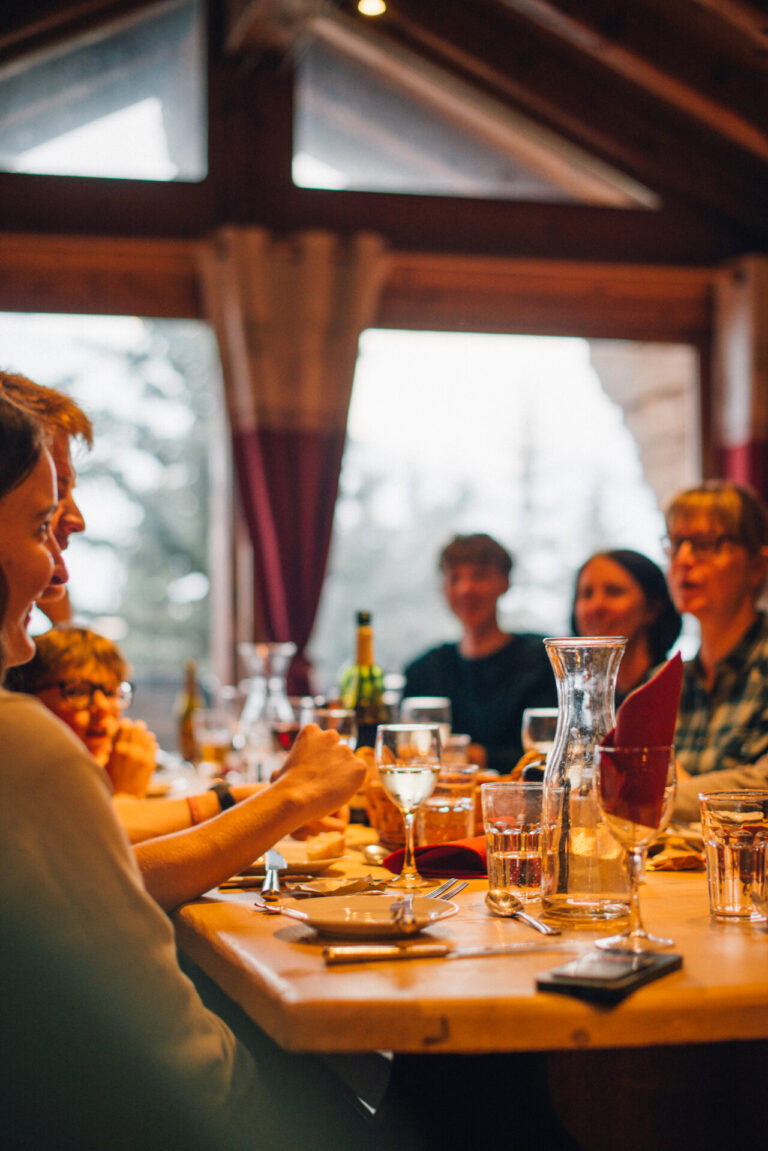
When you arrive at a Richmond holiday, you are stepping out of the usual demands of everyday life and into a week where there is room to breathe. You can wake up without immediately thinking about everything that needs to be done, linger over breakfast and decide what the day might hold. You may spend the morning cycling through beautiful Samos town, skiing down a freshly pisted mountain, swimming in the sunshine or exploring somewhere you’ve never been before. Maybe you’ll sleep in, sit with a book, take a walk or spend the afternoon doing very little at all.
There is no pressure to make your holiday look a certain way. You can be as active as you like or take things slowly. You can spend time with the people you have come with or make new friendships over a meal and discover that a conversation with someone you have only just met carries on long after dinner. You can fill your days with adventure or simply enjoy the luxury of having nowhere else you need to be.

And because it is a Richmond holiday, you do not have to put your faith to one side while you rest. A culture of ministry is woven beautifully and naturally into the week. From the very beginning you can join in with daily worship, thoughtful teaching, conversations about faith over coffee, or simply take some time out to reflect by yourself.
In that sense, a Richmond holiday can become a space to practise the gift of Sabbath in your own way: stepping away from the pace and pressures of everyday life and making room for the things that matter – rest, relationships, creation, worship and simple enjoyment.
The gift is having the freedom to receive those moments.
Perhaps, then, a Richmond holiday can be more than simply a break from work. It can be an opportunity to rediscover something of the rhythm God intended for us: to work, but also to stop; to give, but also to receive; to serve, but also to rest; and to remember that our lives are held by God even when we are doing nothing at all.
Sometimes, we all need to hear those words Jesus spoke to His disciples:
“Come with me by yourselves to a quiet place and get some rest.”